4 hr
Altafjord Whale Safari in Heated Comfort Boat
- Entry ticket
- Mobile voucher
- Valid same day
- Free cancellation
Whale Watching Alta — Altafjord Sailings & Winter Season Departures
Dark water, pale horizon, breath rising cold above the fjord.
Compare fares, pick the fit — all bookings are mobile-voucher and eligible for free cancellation where shown.
4 hr
4 hr 30 min
3 hr 30 min
| Experience | Duration | Rating | Pickup | Guide | Small group | Free cancel. | Price | |
|---|---|---|---|---|---|---|---|---|
|
Standard Entry
Most popular
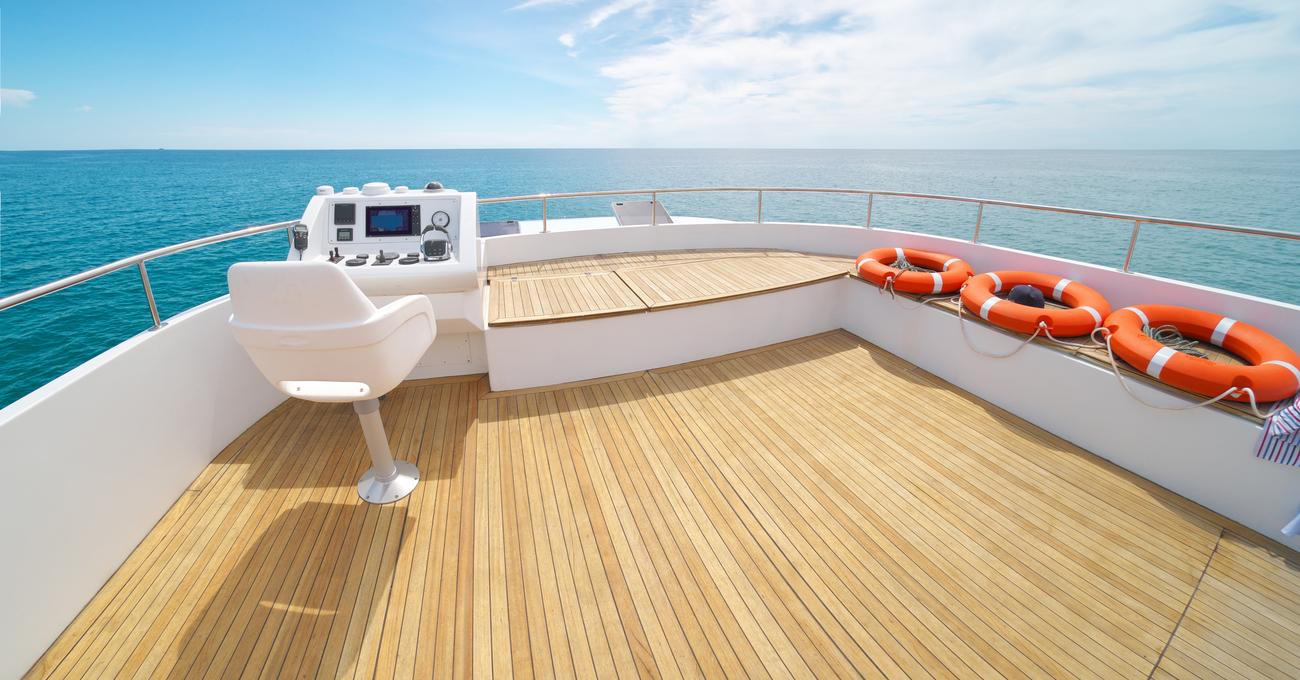
Altafjord Whale Safari in Heated Comfort Boat
|
4 hr | ★ 5.0 | — | ✓ | ✓ | ✓ | €229 | Book → |
|
Standard Entry
Alta Whale Watching Adventure
|
4 hr 30 min | ★ 4.9 | ✓ | ✓ | ✓ | ✓ | €238 | Book → |
|
Standard Entry
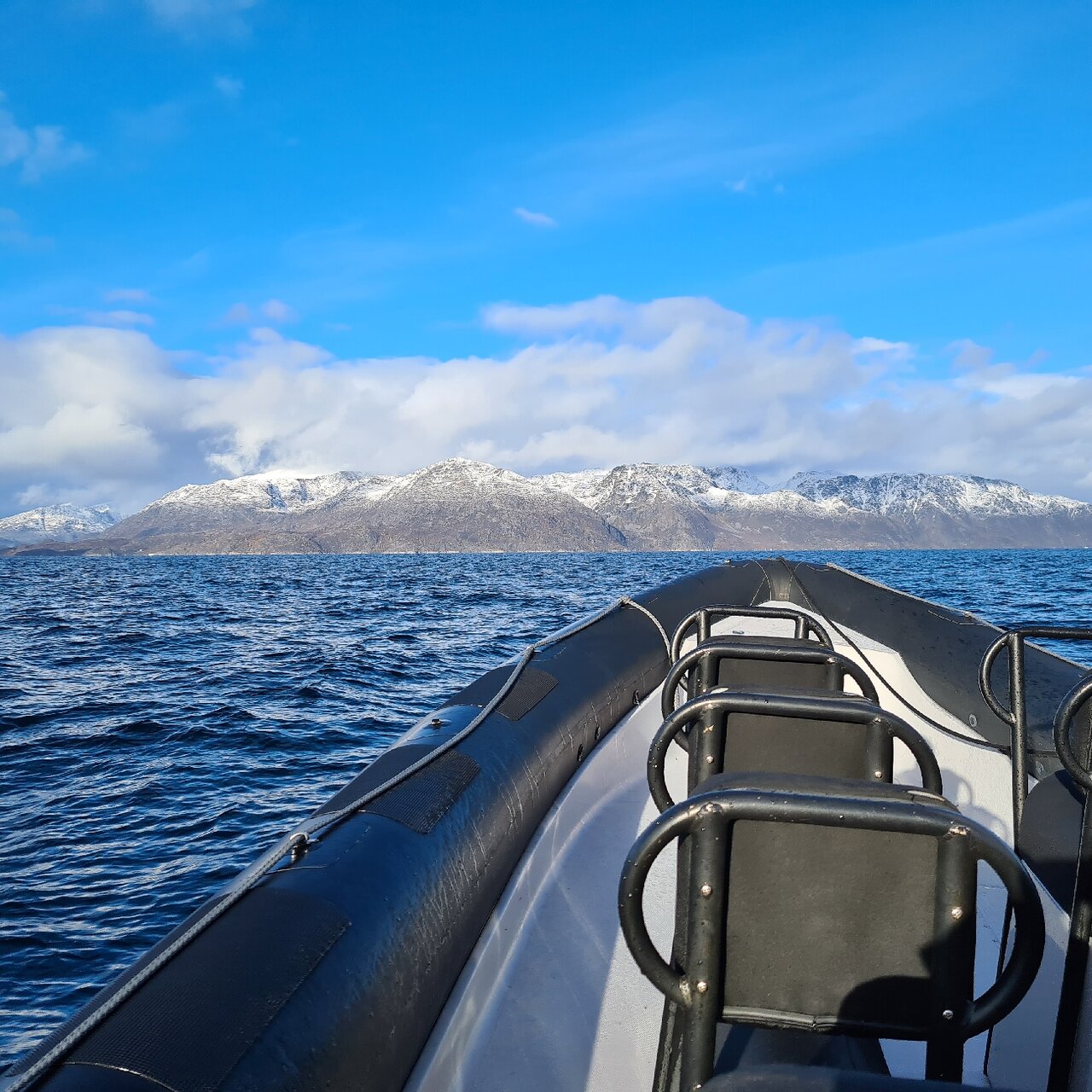
Alta Whale Watching Adventure by RIB Boat
|
3 hr 30 min | ★ 4.9 | — | ✓ | ✓ | ✓ | €297 | Book → |
Altafjord offers a tranquil, intimate environment perfect for those seeking solitude, whereas Tromsø whale watching tours provide higher frequency departures for those prioritizing convenience. Visitors who value quiet marine observation generally find the Altafjord experience superior to the busier coastal routes.
|
Top pick Altafjord |
Tromsø Safaris | |
|---|---|---|
| Travel accessibility | Moderate road access | High via airport hub |
| Herd density | Low vessel concentration | High vessel concentration |
| Tour vessel size | Small private charters | Large passenger catamarans |
| Available daylight hours | 08:00–14:00 (winter) | 09:00–14:00 (winter) |
| Overall exclusivity | High private feel | High volume tourism |
| See tickets & prices |
Verdict: If you prioritize quiet interactions with marine wildlife, choose whale watching alta, but select Tromsø if you require extensive infrastructure and frequent whale watching alta tours.
Hand-picked experiences loved by thousands of travelers
4 hours
Free Cancellation
Venture into Arctic waters for an unforgettable encounter with orcas, sperm whales, and marine life
4 hours
Free Cancellation
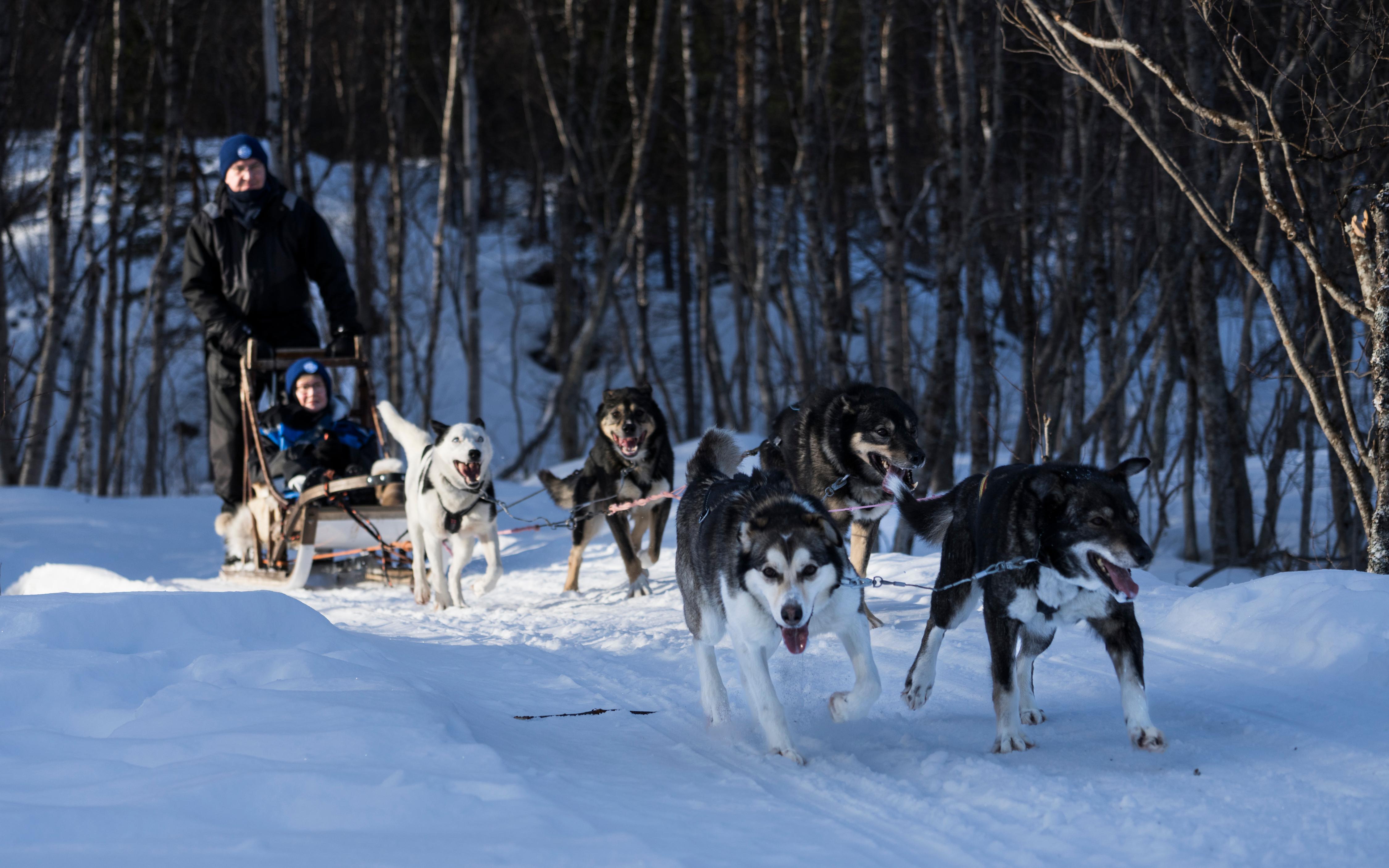
Drive your own husky team through Arctic forests and frozen valleys on this thrilling winter expedition
4 hours
Free Cancellation
Four-hour Arctic voyage to observe humpback whales and orcas in their natural habitat
5 hours
Free Cancellation
Five-hour Arctic cruise aboard MS Kautokeino to observe orcas, humpbacks, fin whales, and eagles
2-4 hours
Free Cancellation
Sail through pristine fjord waters while spotting sea eagles, learning wartime history, and discovering Arctic nature
5 hours
Free Cancellation
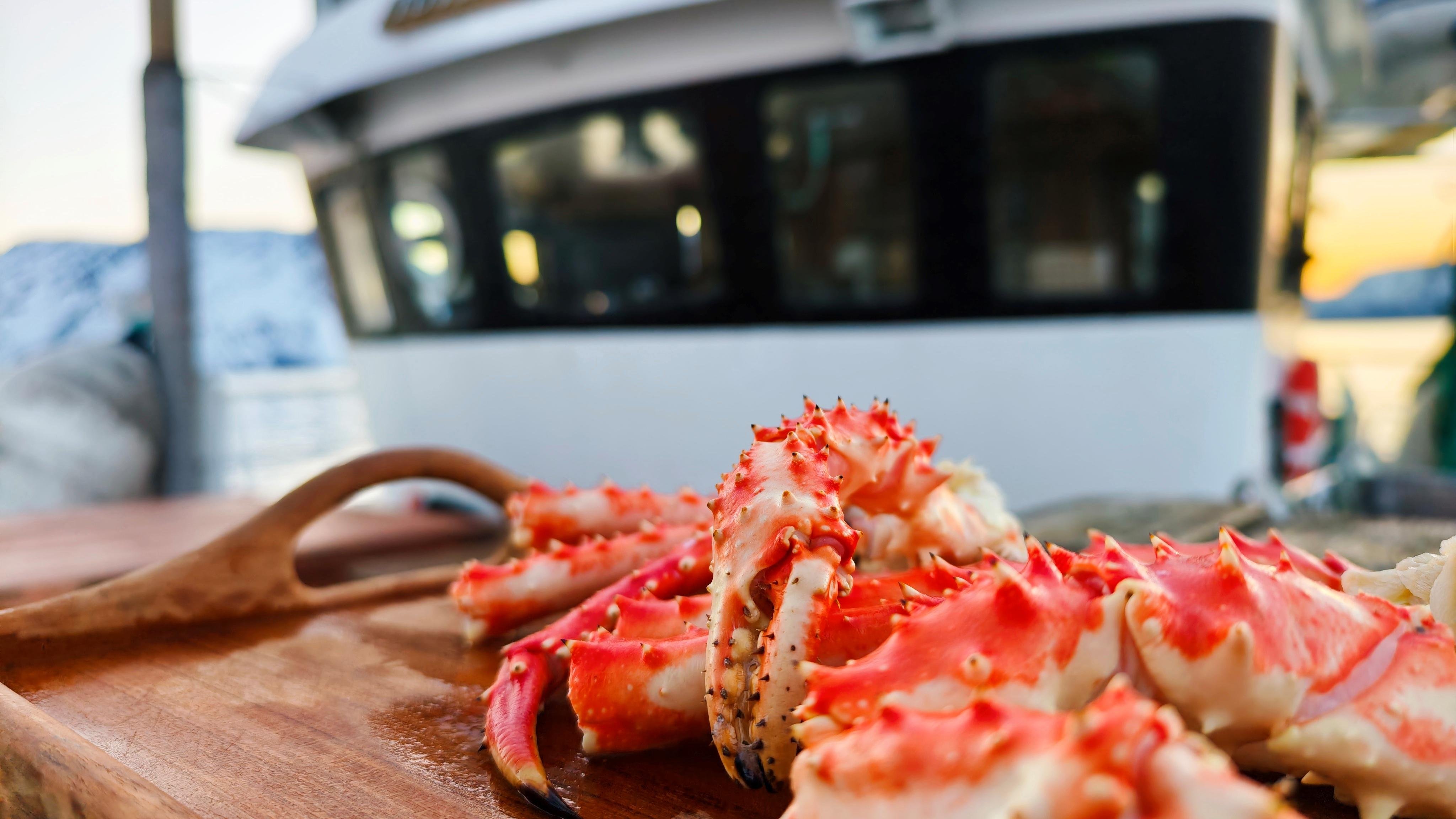
Journey through Altafjord aboard a historic vessel with crab fishing, whale spotting, and Arctic dining
Check-in at the designated harbor point
Safety briefing and equipment distribution
Navigation through Altafjord searching for cetaceans
Disembarkation and gear return
The primary site for whale sightings in the region, known for deep, cold waters where humpback and orca whales feed. High nutrient levels attract marine life during the winter months.
Observe natural behaviors of orcas and humpback whales in their wild environment. Expert guides provide information on migration patterns and local ecology.
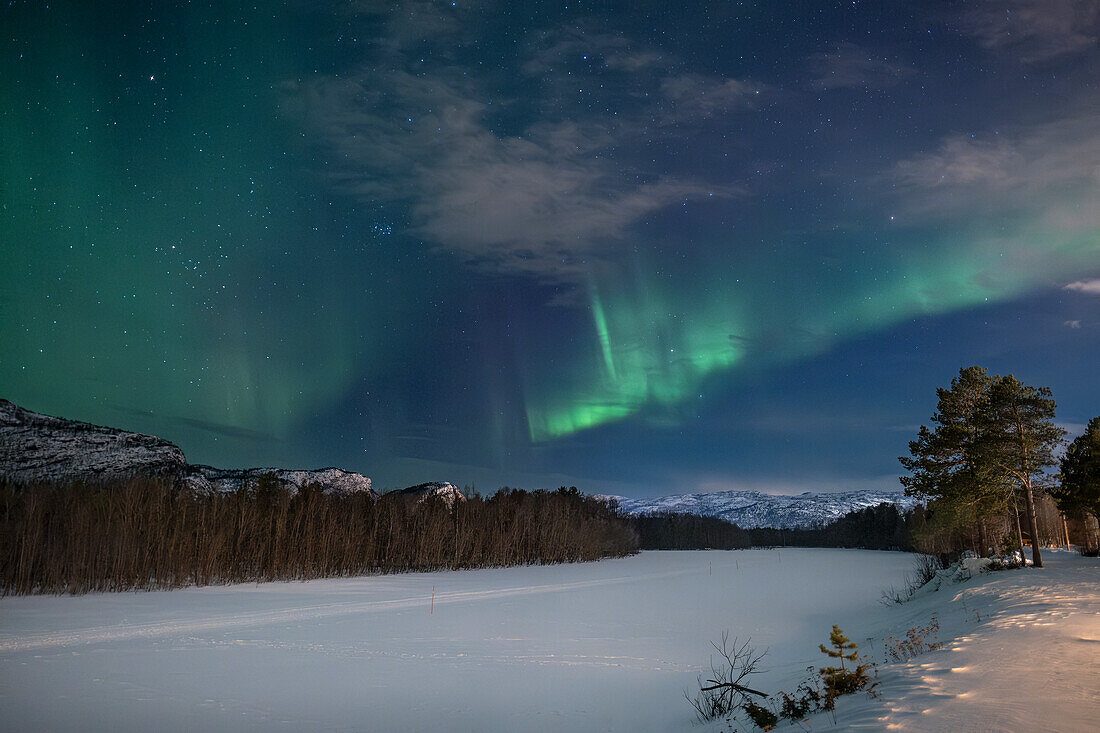
Experience the unique polar night conditions that create a serene backdrop for wildlife viewing. The soft, blue winter light provides ideal contrast for observing whale silhouettes.
The open-air viewing areas allow for unobstructed observation of the water. These decks are designed for safety while maximizing visibility for guests.
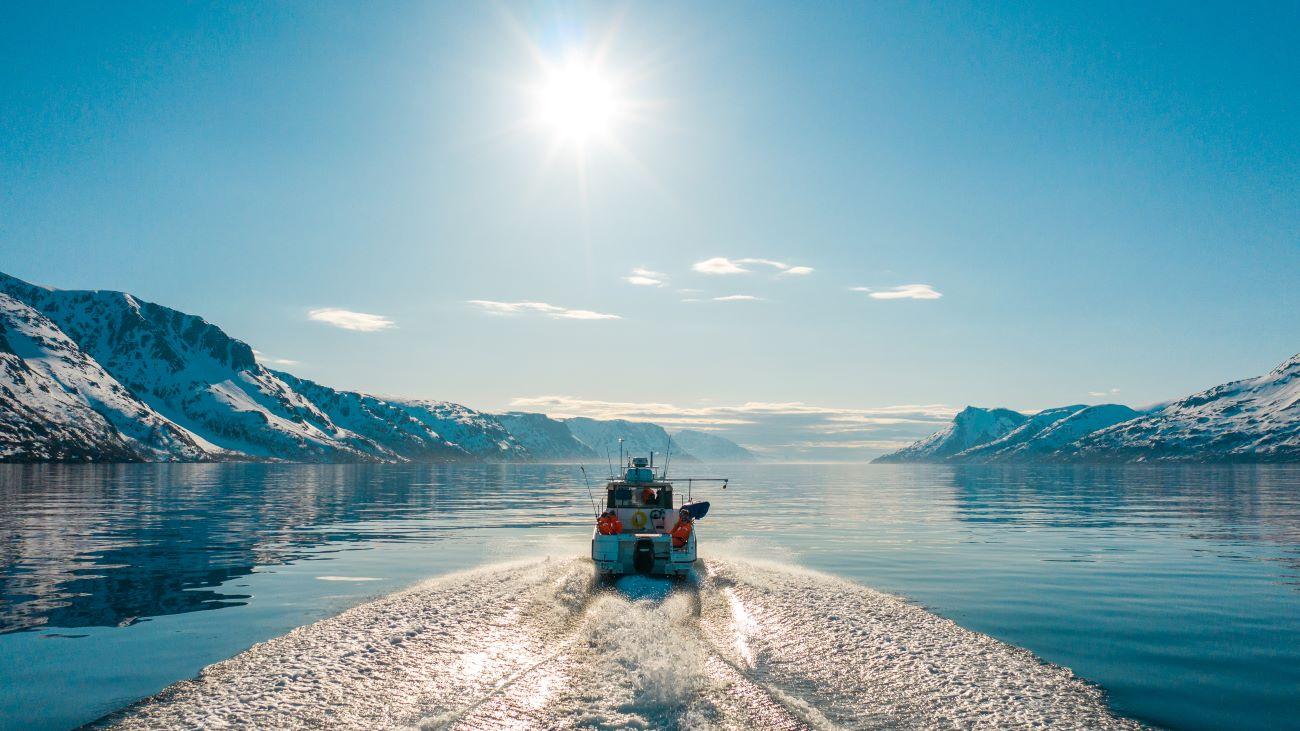
Modern, specialized vessels navigate the Altafjord to reach remote areas where marine mammals congregate. Each boat is equipped with necessary safety gear and navigation technology.
You dress before you think about anything else. Operators issue flotation suits at the quay, and you pull one over everything you already have on — the fjord runs a few degrees above freezing and the wind on an open deck strips warmth fast.
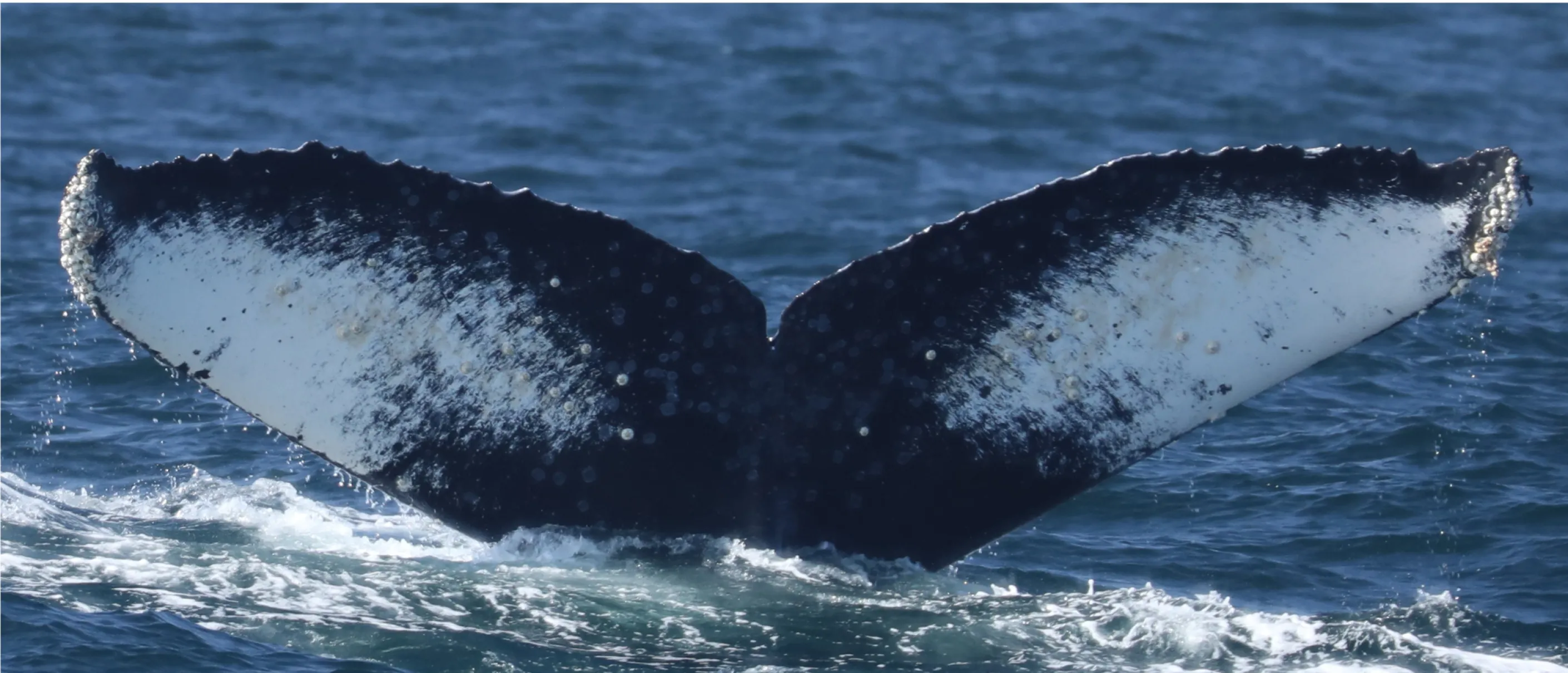
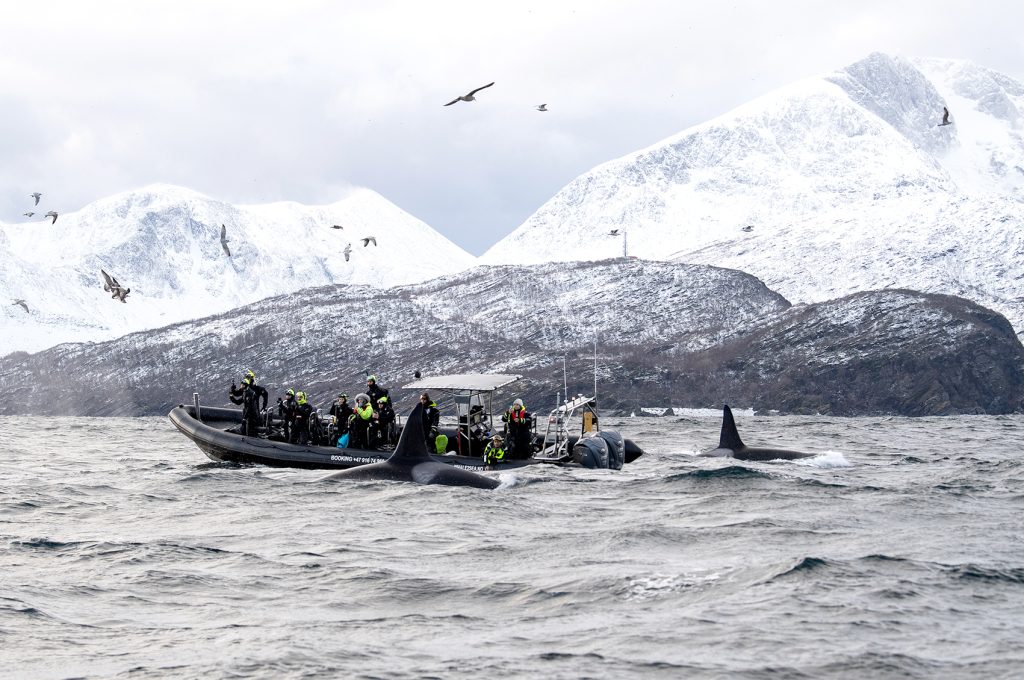
You board between 08:00 and 14:00, the arrival window that matches optimal daylight during the November–January season. Departure takes you out past the Alta river mouth into open fjord. The engine settles. You stand at the rail and learn to read water: a slick patch, a scatter of gulls dropping, then the blow — a column of vapour hanging for three or four seconds before the wind takes it. Skippers on a whale watching tour alta cut the throttle at that point and let the boat drift.
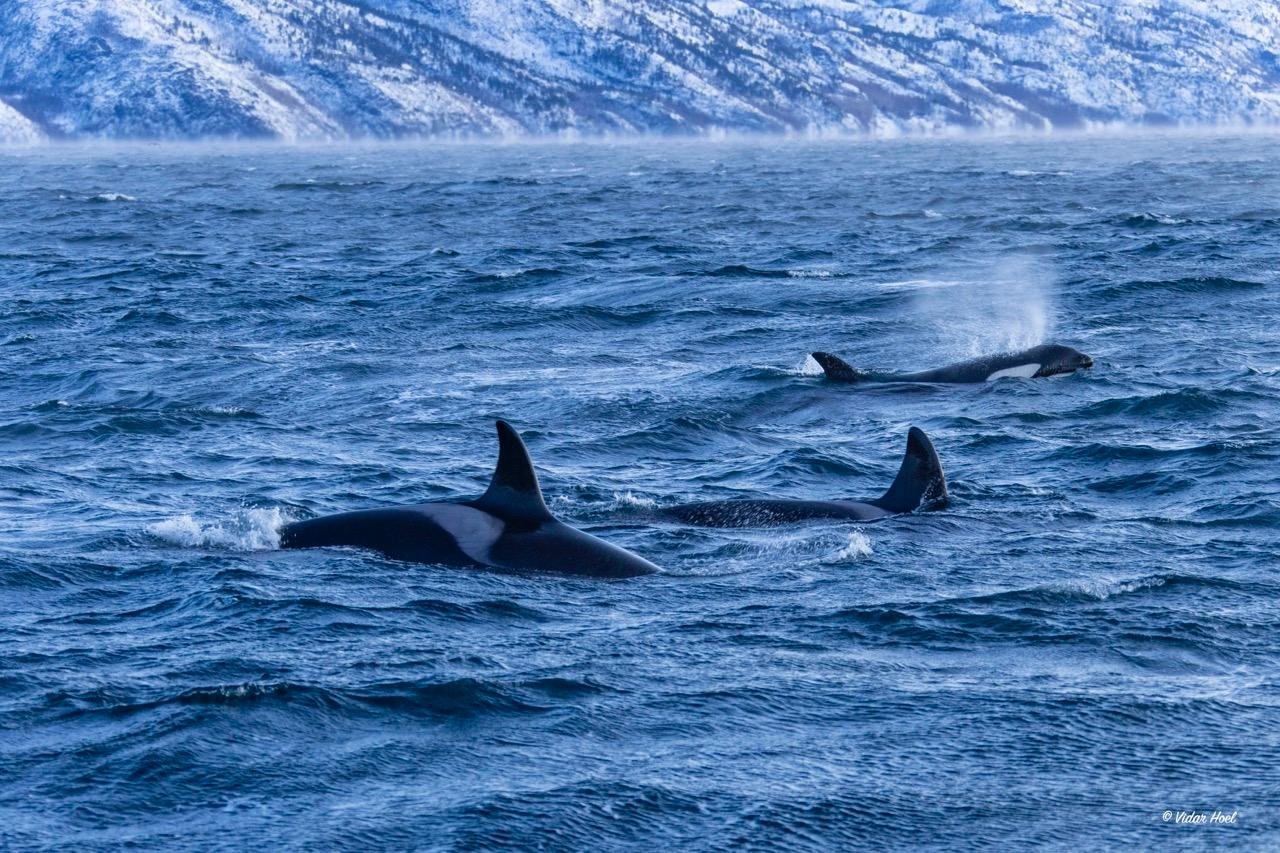
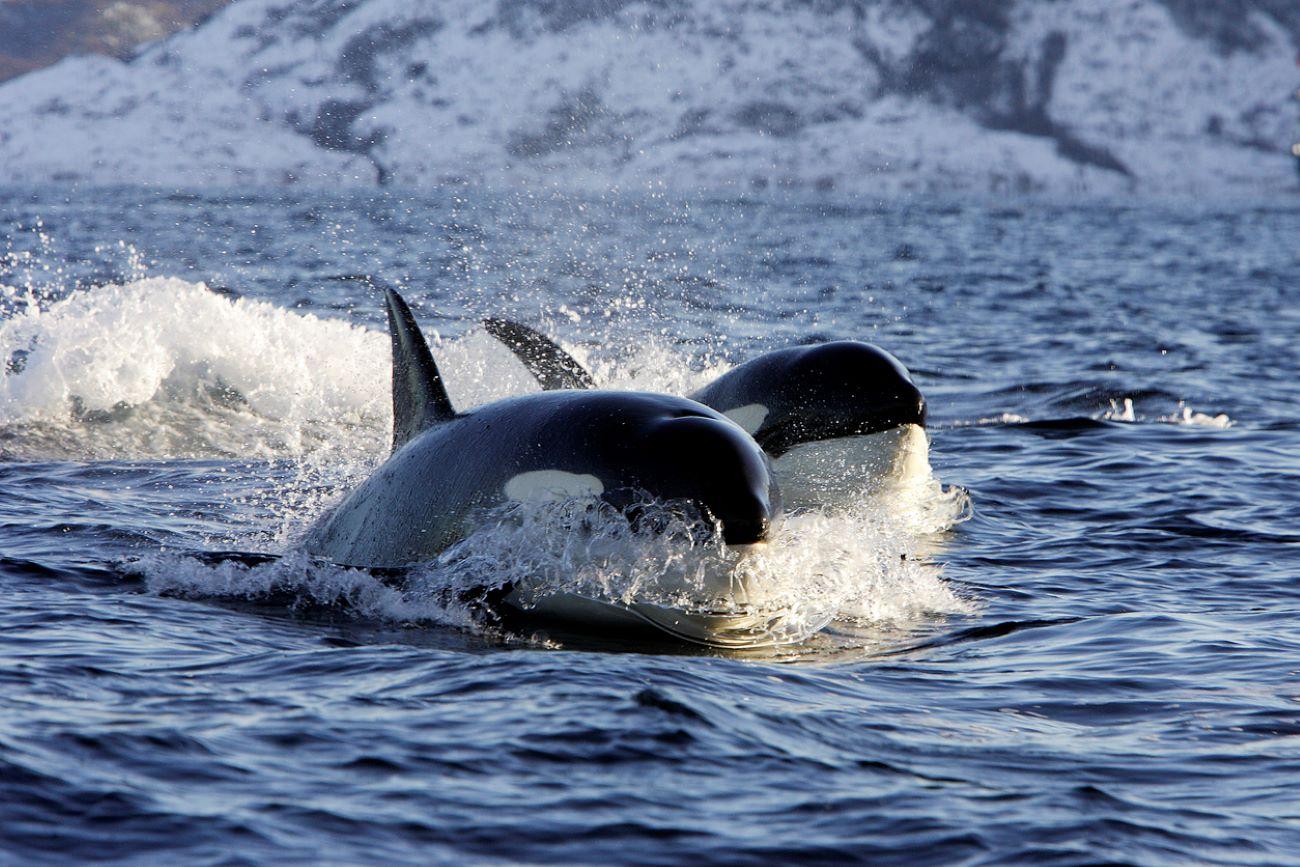
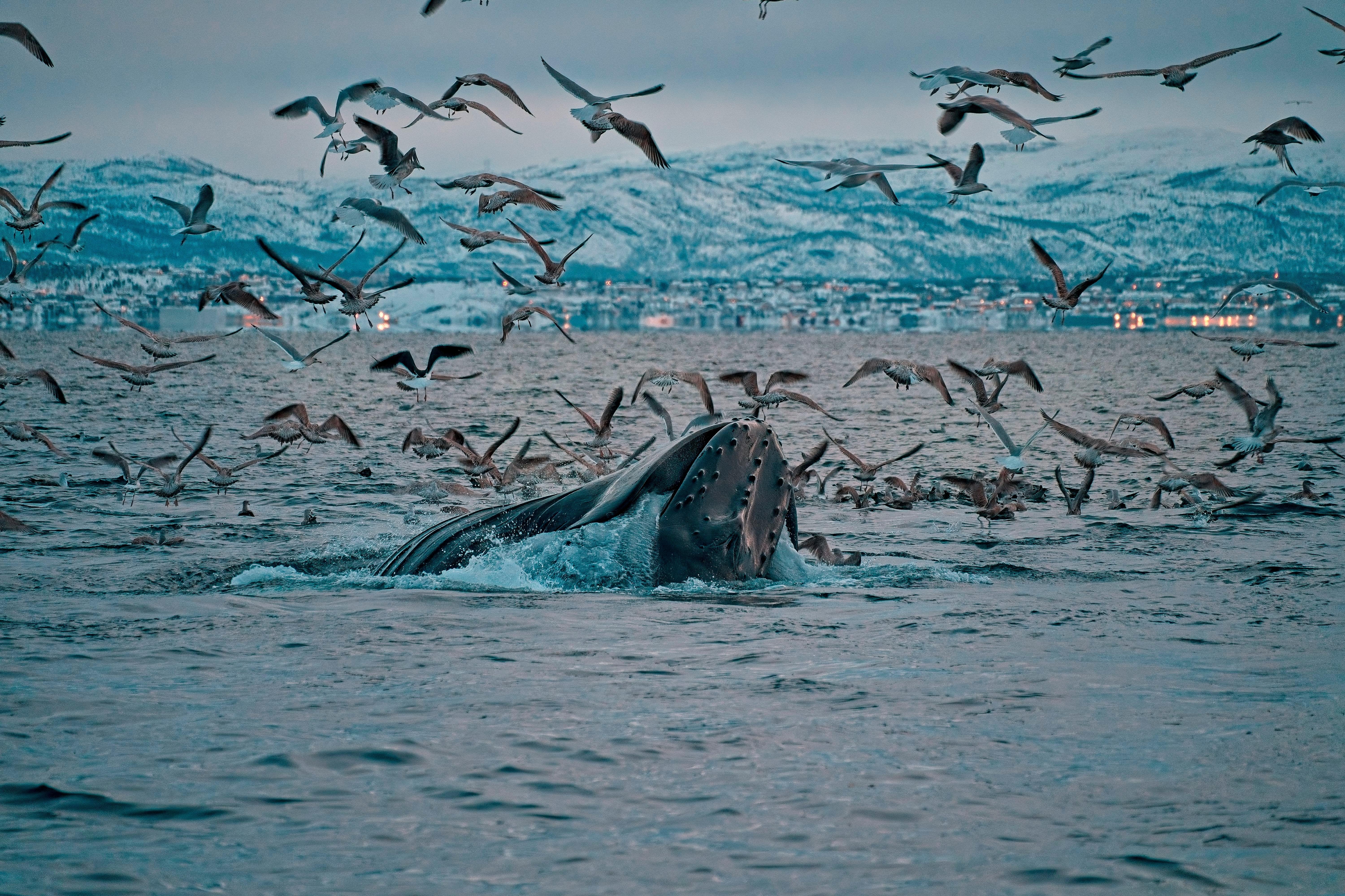
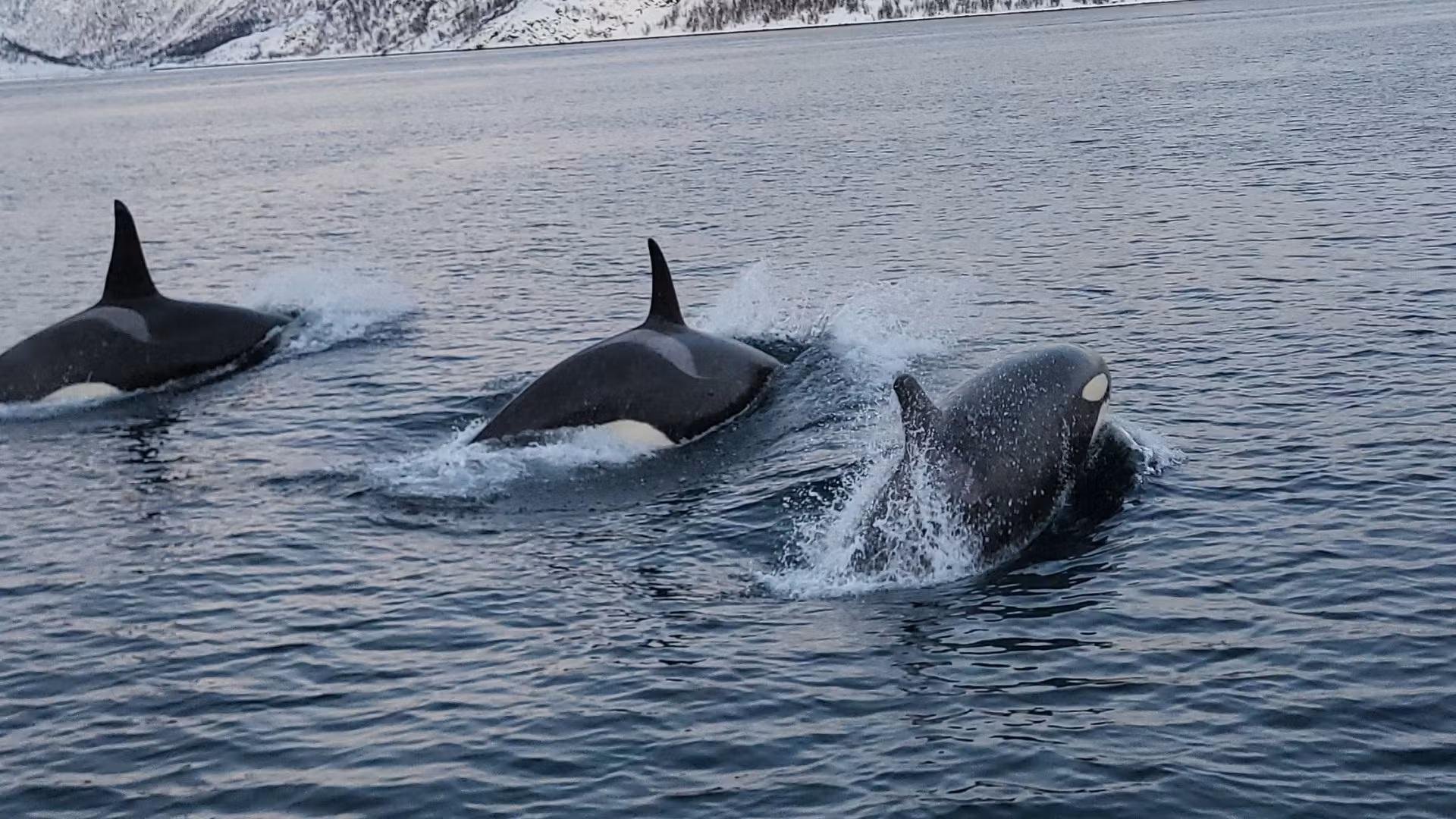
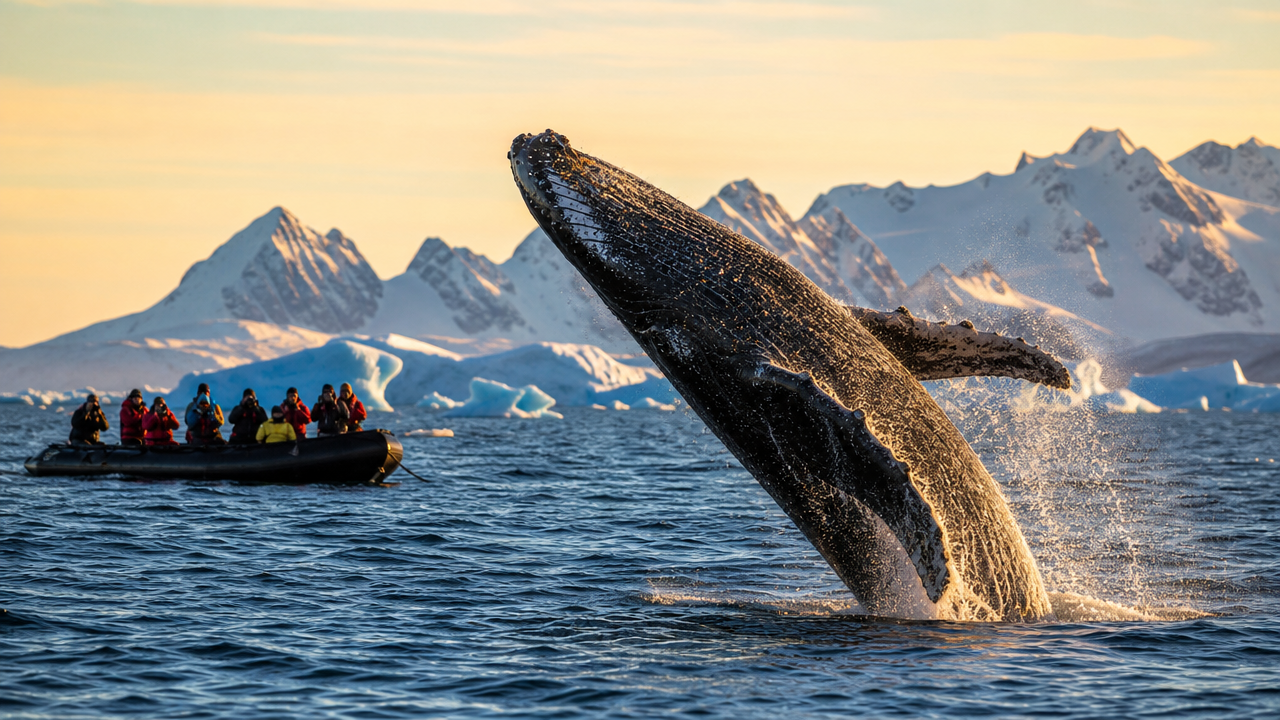
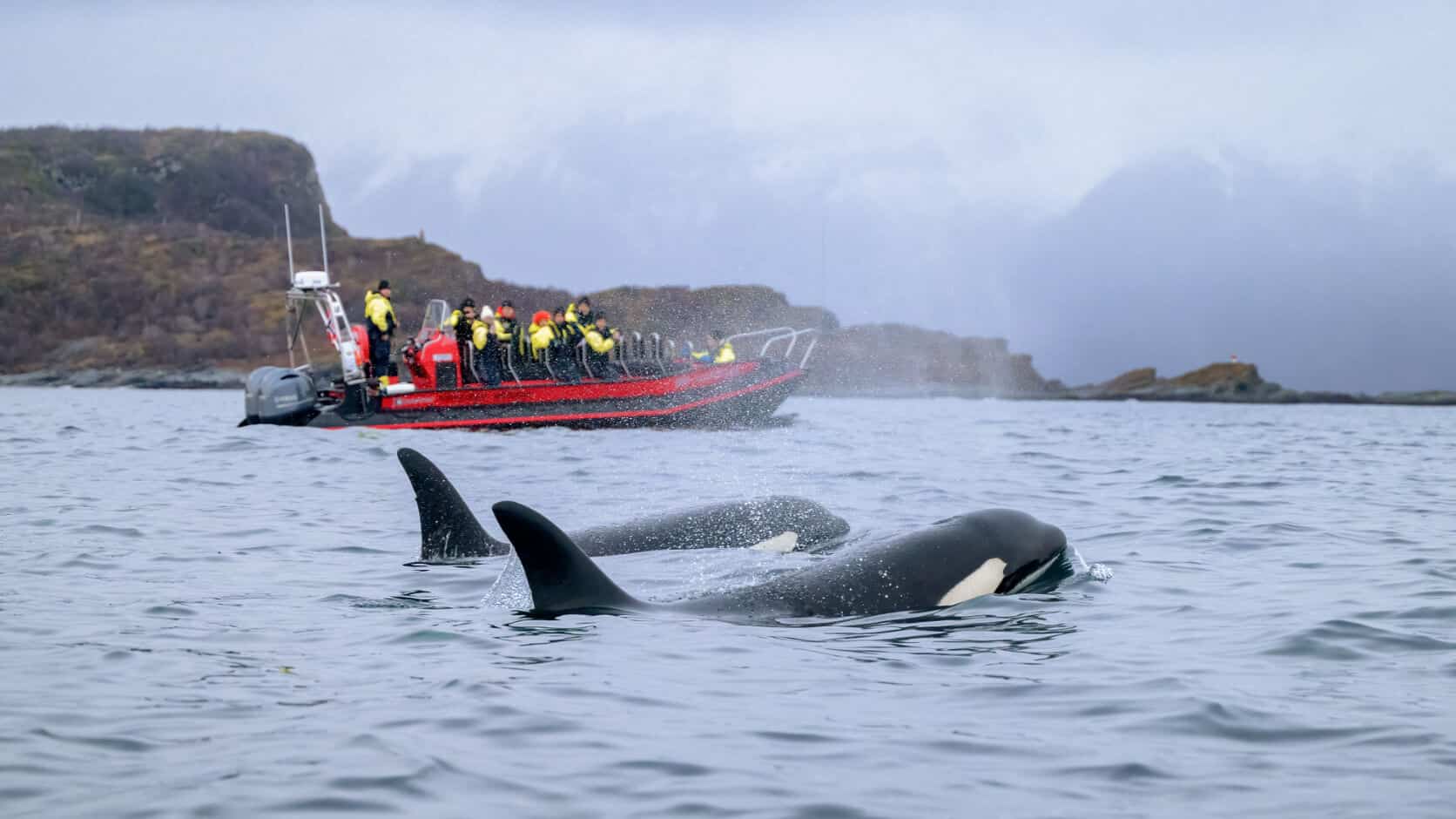
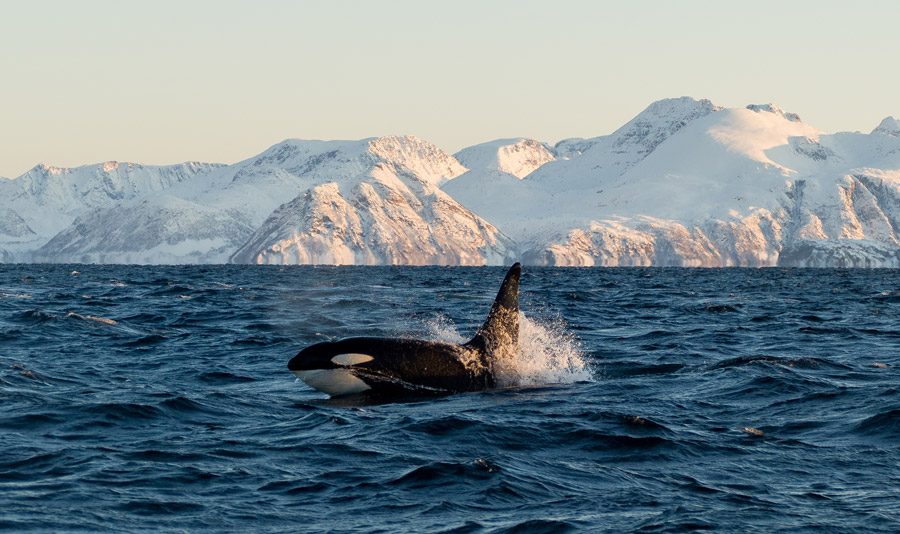
You watch a carousel form. Orca circle beneath, tightening the herring upward until the surface boils silver. A dorsal fin rises, curved on the females, near-vertical and up to two metres on an adult male. You count them as they surface. Then a humpback comes up through the middle of it.
On the return leg you go inside, take the offered soup, and let your hands come back to life. The light is already draining from the ridges. Whale watching alta ends the way it began — cold, quiet, entirely on the fjord's terms.
All the details about your upcoming adventure in one place
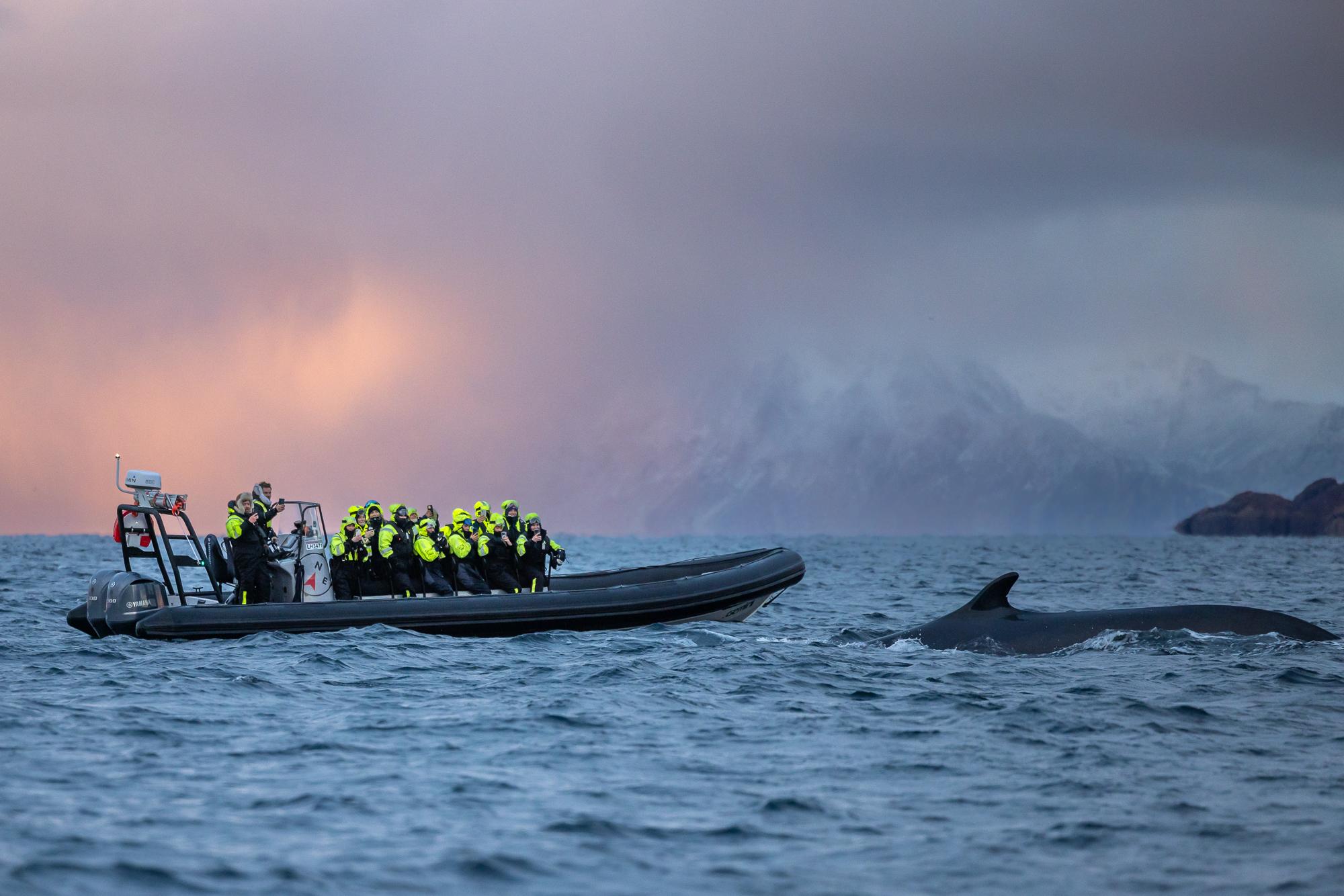
Whale watching alta sets out across the sheltered Altafjord, where humpbacks and orcas follow the herring shoals that pull them deep into the Finnmark coastline. Onboard hydrophones carry the calls up through the hull, and guides with marine-biology training read blow patterns, tail flukes and the diving seabirds that mark a feeding group. Most whale watching alta tours sail on stable catamarans or open RIBs, both stocked with insulated flotation suits for the crossing.
Herring changed the map of northern Norway. When vast winter shoals shifted their overwintering grounds along the Finnmark and Troms coast, orca and humpback followed, and fjords that had been quiet for generations filled with feeding cetaceans.
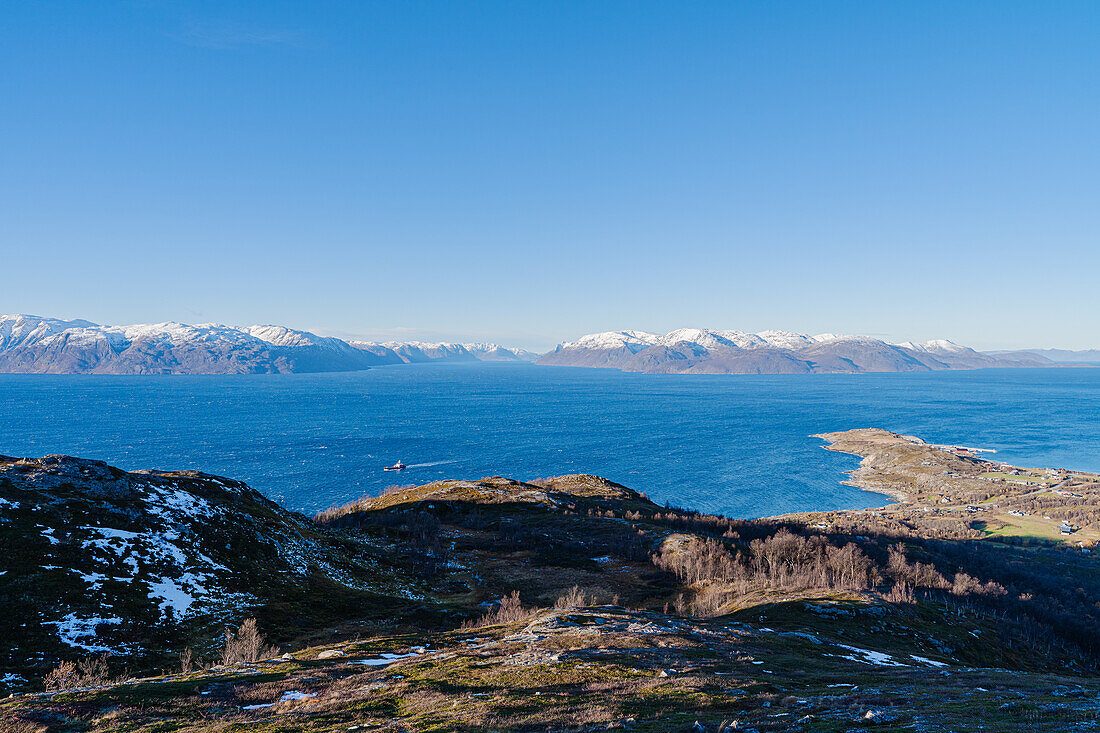
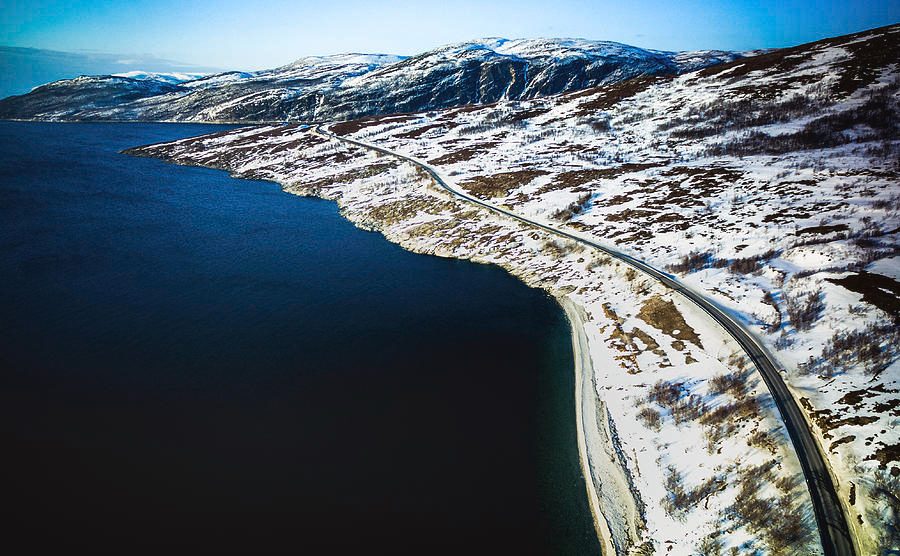
Altafjord sits at the inner end of that system, a 30-kilometre arm of water reaching south from the Barents Sea toward the town of Alta.
The fjord is deep, sheltered and slow to freeze. Warm water carried north by the Norwegian Atlantic Current keeps it open year-round, which is why whale watching alta became viable at a latitude of nearly 70 degrees north. Killer whales hunt here in coordinated pods, using carousel feeding — driving herring into tight balls near the surface, then stunning them with tail slaps. Humpbacks work the same bait balls with lunge feeding, rising open-mouthed through the shoal. Fin whales, the second-largest animal on earth, pass through the outer fjord in smaller numbers.
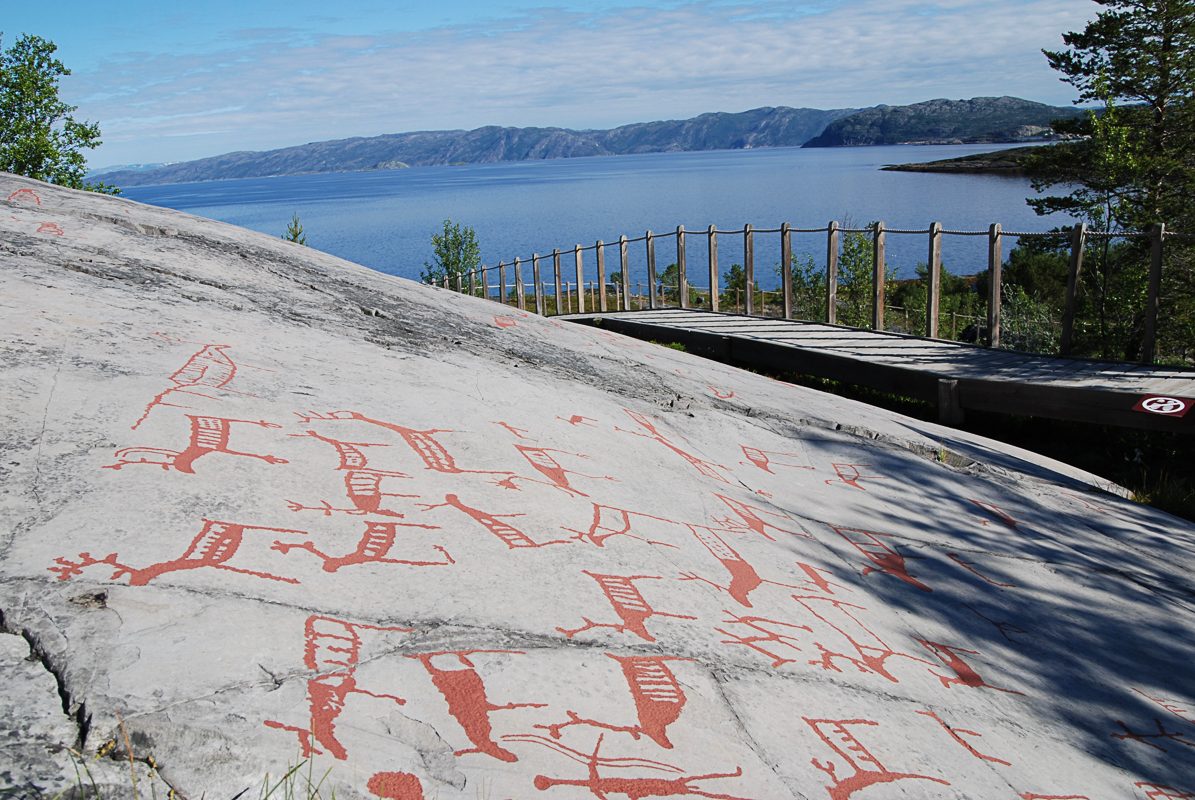
Alta itself is old ground. The rock carvings at Hjemmeluft, inscribed on the UNESCO World Heritage list in 1985, include figures of boats, reindeer and marine animals cut between roughly 5200 BCE and 500 BCE — evidence that people here read the sea for a living long before whale season alta became a phrase in a search bar. The Sámi coastal communities of Finnmark fished these waters continuously. Commercial whaling in the north ended in stages through the twentieth century; observation replaced extraction.
What exists today is a small, seasonal industry. Whale watching tour alta operators sail from Alta and neighbouring harbours in rigid-hulled inflatables and converted fishing vessels, working the fjord and the approaches to Stjernøya and Seiland. Numbers are modest compared with Skjervøy or Tromsø, which is part of the appeal: fewer hulls on the water, less engine noise, closer adherence to the national guidelines that set minimum approach distances and prohibit cutting across a pod's line of travel.
Access to Altafjord itself carries no entrance fee — 0 NOK — since the water is public and whale watching is conducted via independent commercial tour operators. Nothing about the encounter is guaranteed. The animals follow the herring, and the herring follow their own logic. Sightings in one winter say little about the next.
That uncertainty is arguably the point. Whale watching alta tickets buy passage into a working ecosystem, not a scheduled performance, and the fjord keeps its own timetable beneath a sky that barely lightens.

The animals follow the herring, and the herring follow their own logic.
Arctic conditions require wool base layers and windproof outer shells. Wear sturdy, non-slip footwear suitable for wet boat decks.
Space on expedition vessels is limited. Carry only essential waterproof gear in a compact, soft-sided bag.
Use a neck strap for your camera to prevent drops. Bring extra batteries, as cold temperatures drain power quickly during whale watching Alta tours.
Children are generally welcome but must be supervised at all times. Check age restrictions with individual providers before booking a whale watching Alta tour.
Vessels vary in size and ramp accessibility. Contact operators individually to discuss mobility requirements before purchasing whale watching Alta tickets.
Bring a thermos with hot liquid and energy-dense snacks. Consumption of alcohol on deck is restricted by most vessel safety guidelines.
Opening Hours
00:00–23:59
Address
Altafjord, Alta, Norway
Accessibility
Inquire with specific tour operators regarding boat boarding
Arrival
08:00–14:00
Tickets
0 NOK (Independent commercial operations)
Car · N/A · Free parking available
Drive to Alta harbor parking areas located near the town center
Bus · 15m · Varies by route
Regional bus routes connect to Alta Sentrum
Cancellation policies are determined by independent operators. Guests should verify specific refund windows prior to booking.
Recommended time
4-6 hours
Planning your trip requires prioritizing the best arrival window of 08:00–14:00 to align with optimal daylight. While whale watching alta takes place in the expansive Altafjord, most boat excursions last several hours to allow for travel time to marine feeding grounds. You should book your whale watching alta tours well in advance, as limited vessel capacity often dictates how many guests can depart daily. Because whale watching alta tickets are managed by independent operators, check your specific departure time to ensure you arrive at the harbor at least thirty minutes early.
Crowd levels through the day
Weather · crowds · average price — dots go green to amber to red as each metric rises.
Early season start with limited light.
Peak polar night experience for whale watching Alta.
Final window for sightings before the season concludes.
Whale watching Alta tours fill rapidly during peak months. Reserve your spot well in advance of your winter travel dates.
Arctic weather changes rapidly. Effective insulation is necessary for long periods on the water during whale watching Alta trips.
Keep your hands and feet dry. Cold extremities will end your enjoyment of whale watching Alta quickly.
Operators provide expertise on marine life behavior. Following their instructions improves your chance of spotting a whale.
Operators may cancel based on sea conditions. Always check your email for updates regarding your whale watching Alta tickets.
Finding a meal near whale watching alta is straightforward, as the harbor area and Alta city center offer several dining establishments. Visitors often prefer these spots for a warm meal before or after their maritime excursions on the Altafjord.
Specializes in local Arctic ingredients like reindeer and fresh fish, providing a cozy atmosphere for guests. It is an excellent choice for a sit-down meal after finishing one of the whale watching alta tours.
Real experiences from real travelers
We took the late departure and the sun never really set, it just slid along the ridgeline and turned the water to pewter. A pod of white-beaked dolphins rode our bow wake for close to ten minutes while the guide explained how the herring runs shape the season in Altafjord. Bring gloves even in June, because the wind coming off the water bites harder than the air temperature suggests.
The whale watching alta trip we booked carried about twenty people, so everyone had rail space and nobody was climbing over anyone. Two orcas surfaced parallel to the hull, close enough that we heard the blow before we saw the fin. Our guide had a hydrophone running, which made the quiet stretches between sightings interesting rather than dull.
Polar-night light turned everything a deep blue and the humpbacks finally showed up near the end of the afternoon window. Sea state was rougher than I expected and a few people on board went quiet and green, so take something beforehand. The thermal suits they hand out are genuinely warm, right down to the boots.
Beyond the whales we counted six white-tailed sea eagles working the cliffs above the water. Our hvalsafari Alta guide was a marine biologist who photographed every fluke for a photo-ID catalogue, which made the whole thing feel purposeful rather than staged. The fjord was flat as glass that morning and you could see each blow hanging in the air for seconds.
I bought whale watching alta tickets only two days ahead and still got a place on the smaller vessel. Watching a humpback surface through drifting snow is the image I keep coming back to weeks later. Bring a wrist strap for your camera, because hands go numb faster than you think out on the bow.
We left during that short blue window Finnmark gets in January and found a feeding group of humpbacks inside the first hour. Diving gulls marked the herring shoal well before anything larger came up underneath it. Hot fish soup served on board did more for morale than I would have guessed.
Our whale watching alta tour used a rigid-inflatable, so we sat low with the surface right at eye level. When a humpback raised its fluke maybe thirty metres out, nobody on board said a word for a good few seconds. Ask about the RIB option if you would rather have speed and range than a heated cabin.
We saw harbour porpoises and a single minke rather than the larger humpback groups you see in other people's photos, which the crew did warn us about before boarding. Three hours is a long time on deck when the water stays empty, so manage your expectations for late summer. The coastline and the low light on Altafjord were still worth the morning.
Coming from Sydney I was not ready for how fast the weather moves through this stretch of coast. The crew running whale watching alta spotted blows twice before anyone else on board noticed, then repositioned the boat without ever crowding the animals. Decent binoculars make a real difference between the close passes.
Everything you need to know for your journey
Whale watching Alta typically occurs during the winter months from November to January. Altafjord provides the primary location for these wildlife experiences.
Entry to the fjord itself is 0 NOK, though you must pay for a commercial whale watching Alta tour operator.
Most whale watching Alta tours depart from the central Alta harbor. Please check your specific operator confirmation for the exact dock.
Most operators welcome families, but you should check specific whale watching Alta tour age requirements before booking.
Yes, photography is encouraged on all whale watching Alta trips. Use a neck strap to protect your equipment on the open water.
The best arrival window for whale watching Alta is 08:00–14:00 to utilize the limited daylight hours during the winter season.
Accessibility varies by vessel for whale watching Alta. Contact your operator directly to discuss specific mobility requirements.
Yes, it is highly recommended to secure whale watching Alta tickets in advance as tours sell out during peak season.
Some operators include snacks or hot drinks, but you should confirm if your specific whale watching Alta tour provides meals.
Famous for UNESCO-listed rock carvings.
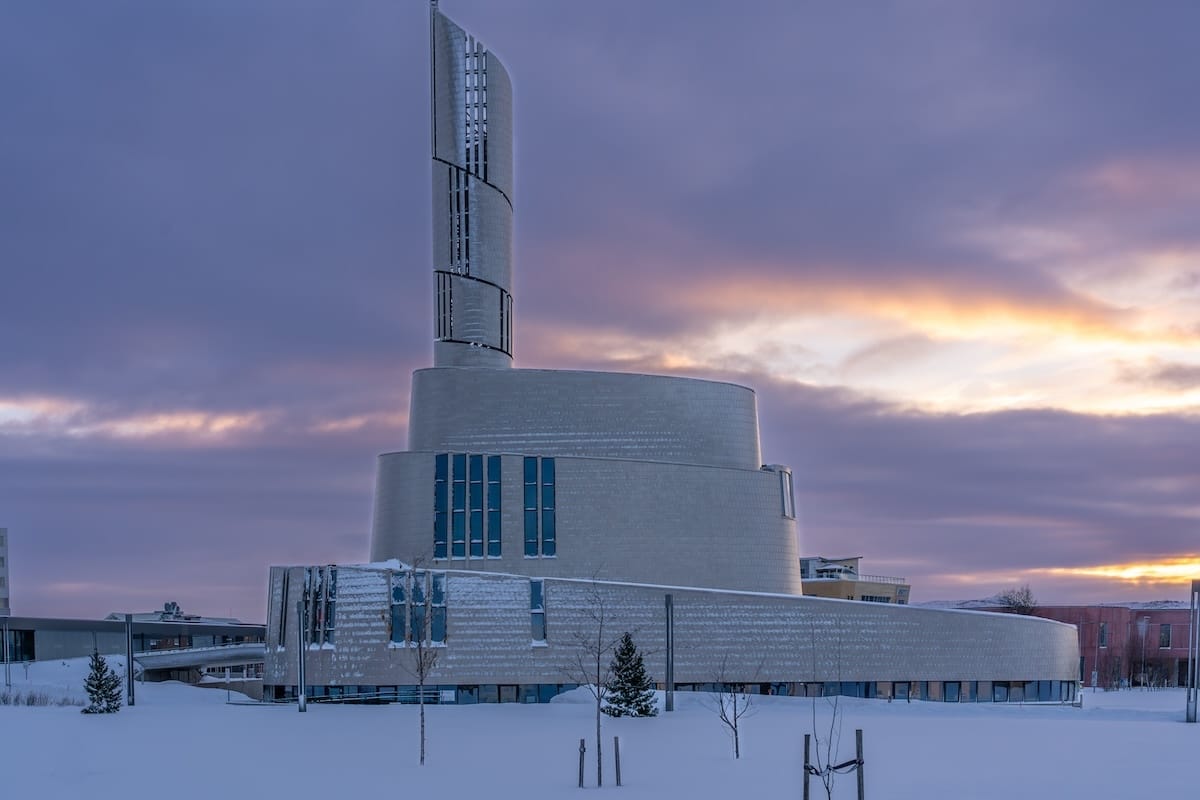
Iconic modern architecture in central Alta.
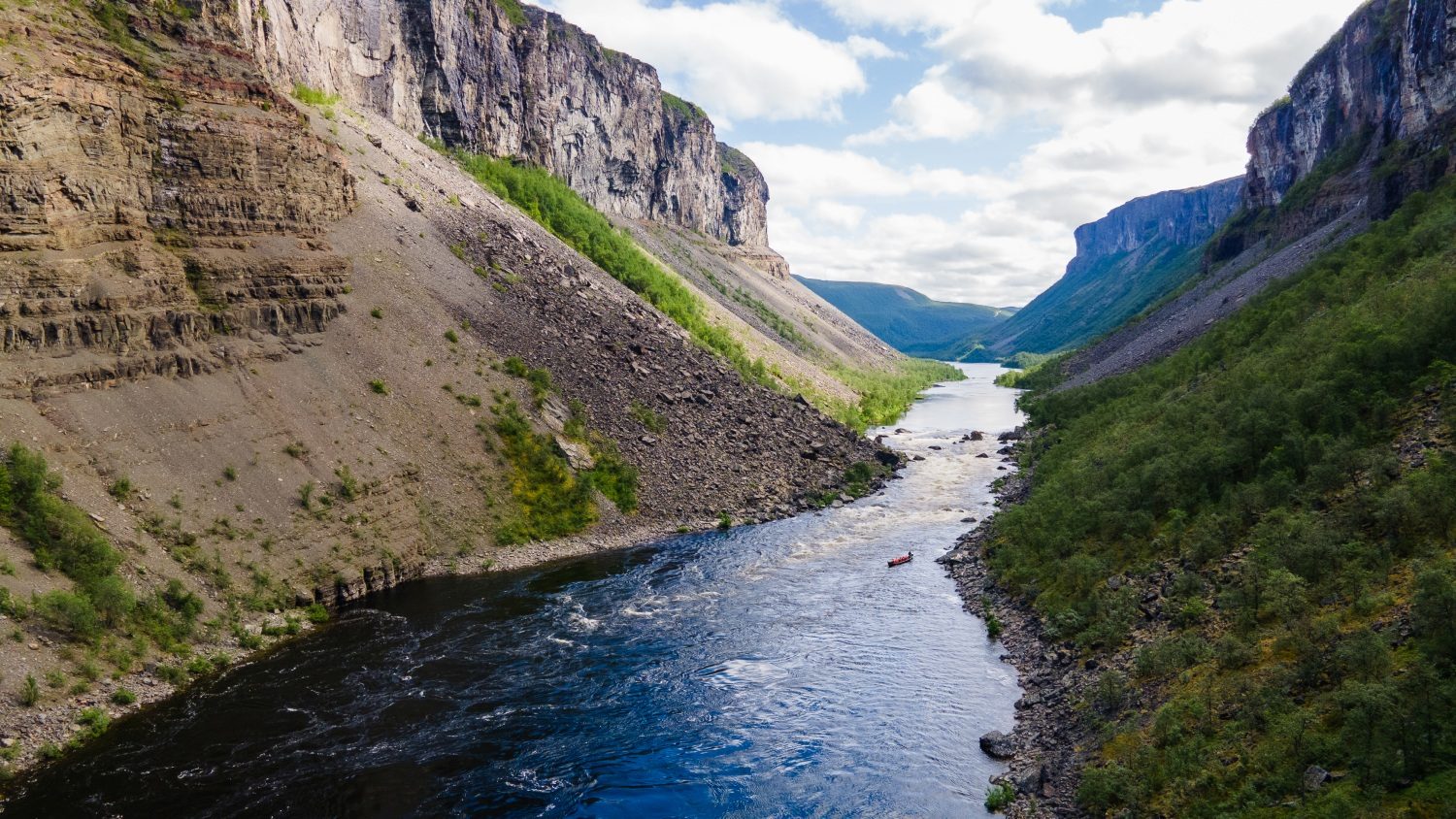
Known for world-class salmon fishing.
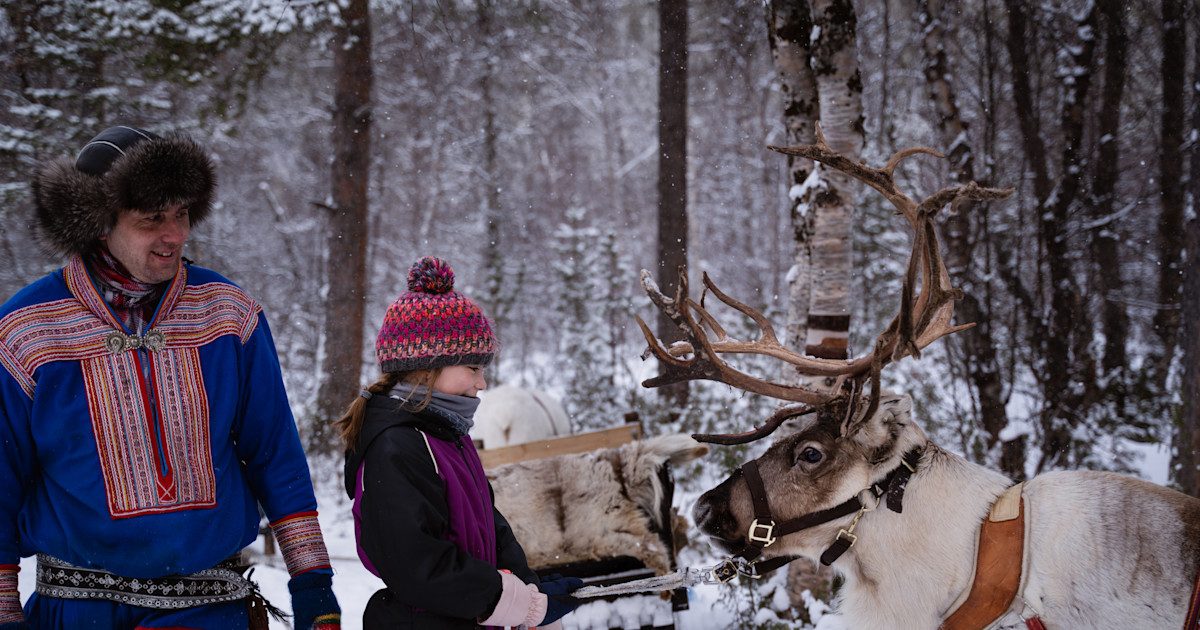
Traditional Sami culture and reindeer camp.
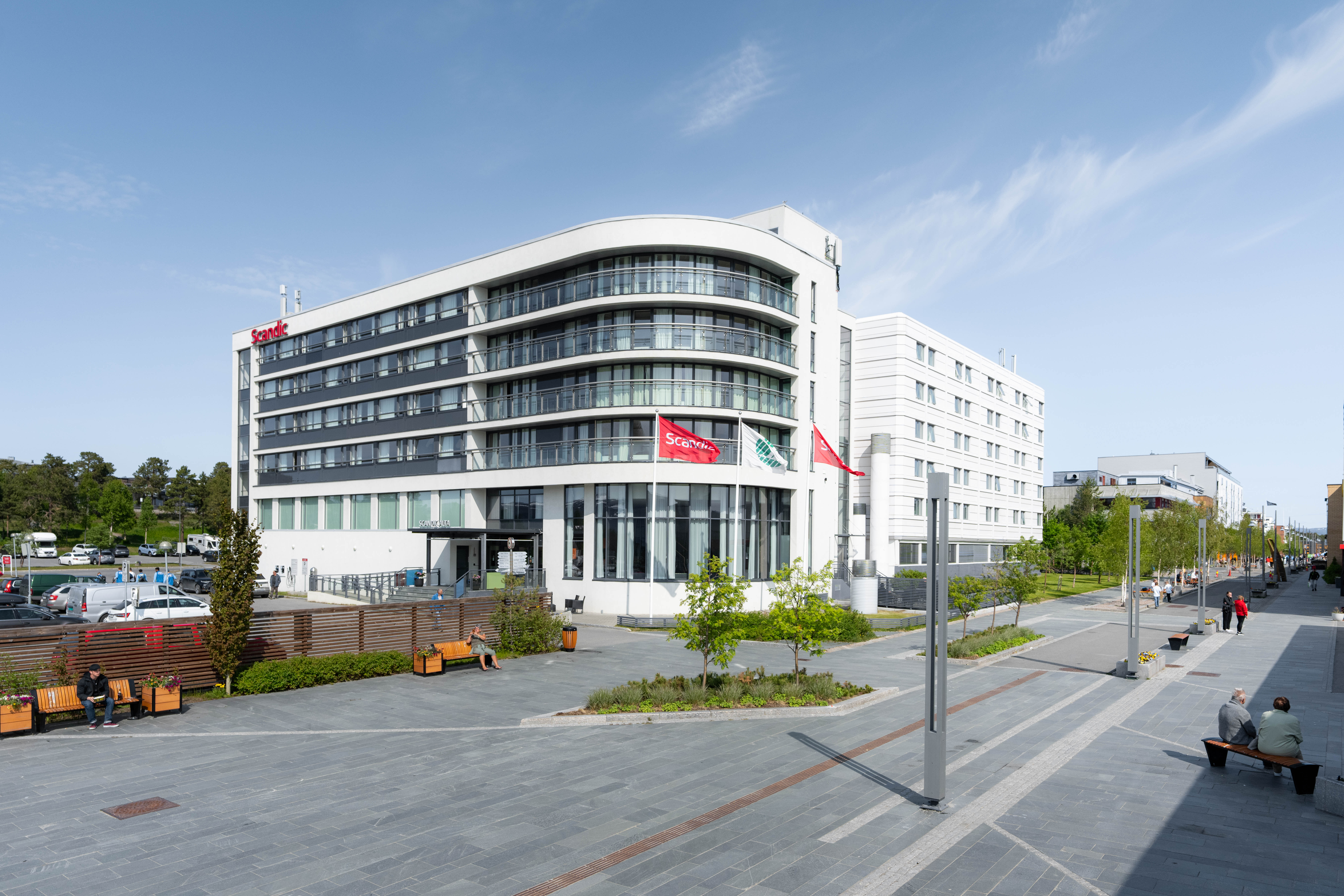
Central location near harbor transport.
Comfortable rooms with breakfast service.
Views overlooking the local waterways.
Join thousands of happy travelers who have discovered this incredible experience
Book Your Experience Now