

Quick answer
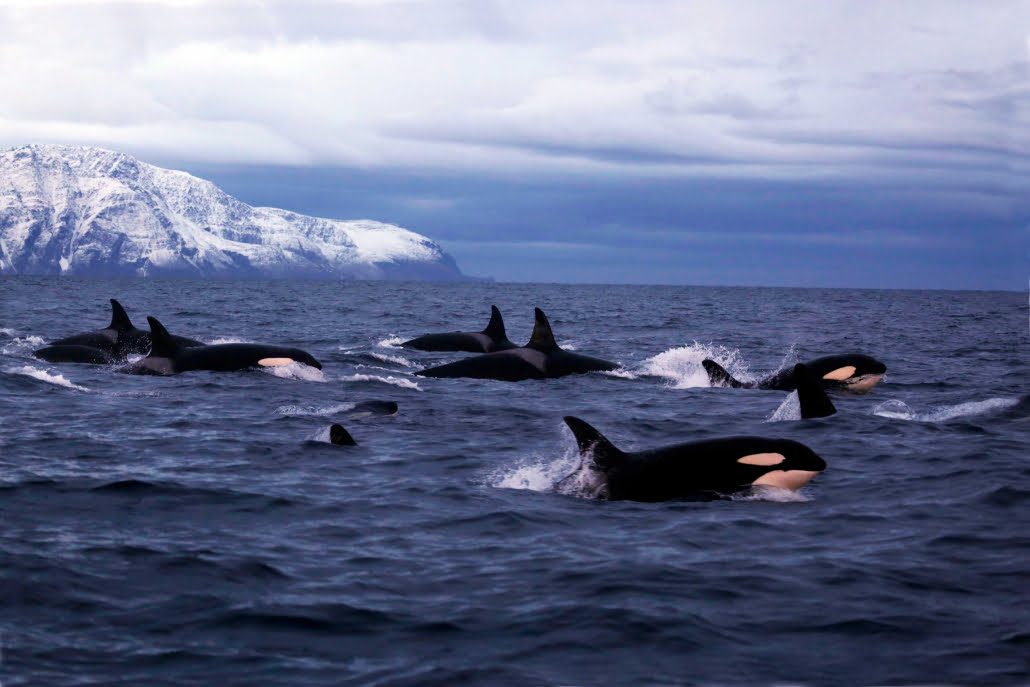
The core season runs from early November through late January, peaking in late November and December, with boats sailing from Alta Harbor on a weekday pattern of 08:45–14:00. Orcas and humpbacks follow overwintering herring into the fjord system, so sightings track fish, not the calendar. February can still deliver; May through September rarely does.
Alta sees no sunrise at all between roughly 24 November and 18 January, yet those weeks are precisely when the whale season alta calendar reaches its peak. The reason is edible, not astronomical. Norwegian spring-spawning herring shoal into the sheltered northern fjords to overwinter, and where the herring go, orcas and humpback whales follow within days. Skippers working out of Alta Harbor read fish reports the way other guides read weather forecasts. That dependence explains why the season shifts. Through the 2010s the herring wintered heavily around Kvænangen and Skjervøy, east toward the Altafjord approaches; in more recent winters the biomass has moved again, and operators range further to intercept it. A visitor booking a whale safari in Altafjord is therefore buying access to a search, not a guarantee. Reputable crews say so plainly. What holds steady is the shape of the window: November opens it, December and early January hold it, February thins it, and by March the herring have dispersed to spawn along the coast. Summer trips out of the same harbor exist, but they are sea-eagle and coastal-landscape excursions rather than orca hunts, which is why a hvalsafari Alta enquiry in July gets a different answer than the same enquiry in December. Daylight is the second constraint, and it is the one travellers underestimate. In deep winter the fjord never brightens past a long blue-and-amber twilight, roughly four to six usable hours of it, which is why departures cluster in the middle of the day rather than at dawn. That twilight is genuinely good for photography and poor for spotting distant blows, so experienced passengers watch for gulls and disturbed water instead of scanning the horizon. Cold, swell and short light also mean cancellations happen; building two possible sailing days into an itinerary is the single most useful piece of planning advice anyone can give. Used properly, the whale season alta window is a scheduling tool. Pick the last ten days of November or the first three weeks of December for the best combination of animal density and civil twilight. Confirm conditions with the operator on +47 95100000 or visitalta.no before travelling, keep the day flexible, and treat the northern lights overhead as the compensation on a quiet water day. The whales set the terms; the fjord simply hosts them.
“Where the herring go, the orcas follow within days — the season is set by fish, not by the calendar.”
Understanding Whale Season Alta: Timing Your Visit
The primary whale season in Altafjord occurs from November through January, coinciding with the migration of herring into the fjords. During these months, limited daylight hours make morning excursions essential for wildlife observation.
November–January
Moderate activity levelsCold, -5°C to 2°C; short daylight
Main feeding period when herring stocks attract orcas and humpback whales.
February–March
Low tourist densityCold, -10°C to 0°C; increasing light
Sightings become less predictable as whales follow herring schools out of the fjord.
April–October
Minimal visitor presenceVaried, 2°C to 15°C; long daylight
Whale activity is rare as pods migrate to open ocean feeding grounds.
Verdict: The best opportunity for sightings is during the core winter months of November, December, and January, when herring migration brings whales into the fjord.
Operating Hours During Whale Season Alta
The whale safari operations maintain a consistent schedule throughout the active season to support boat departures. The facility operates daily from Monday through Saturday.
| Monday | 08:45–14:00 | |
|---|---|---|
| Tuesday | 08:45–14:00 | |
| Wednesday | 08:45–14:00 | |
| Thursday | 08:45–14:00 | |
| Friday | 08:45–14:00 | |
| Saturday | 09:15–14:00 | |
| Sunday | Closed |
Getting to Your Whale Season Alta Departure Point
The whale safari departure point is located at Alta Harbor, 9510 Alta, Norway. Visitors can reach this location via road or local public transit networks.
Line 40 to Alta sentrum
E6 toward Alta Harbor
From Alta city center to the harbor
Preparation Checklist for Whale Season Alta
Winter whale trips in Altafjord run in cold, low-light conditions, so most of the preparation happens weeks before you reach the harbour.
-
Reserve your safari place well ahead — Winter departures from Alta Harbor fill early and boat capacity is limited.
-
Bring photo ID matching the booking — Operators check names against the passenger list before boarding.
-
Pack thermal base layers and wool mid-layers — Wind on open water makes the fjord feel far colder than shore temperatures.
-
Add a windproof outer shell, hat, gloves — Spray and wind chill are the main discomforts on deck, not air temperature.
-
Wear insulated waterproof boots with grip — Decks and harbour surfaces stay wet and icy through the season.
-
Take motion sickness tablets in advance — They need roughly an hour to work before the fjord swell builds.
-
Charge camera and phone batteries fully — Cold drains power quickly and daylight for shooting is short.
-
Confirm details on +47 95100000 — Weather can shift sailing plans at short notice.
Check availability
Frequently asked questions about whale season alta
Everything you need to know about whale season alta